Your Cochlear Implant Specialists in
Northeast Oregon
Hearing loss impacts the lives of millions of people of all ages in every part of the world.
The most common solution to restore hearing and a better quality of life involves the use of hearing aids, but there are cases that require an alternative solution to improve hearing clarity when hearing aids aren’t enough.
Children or adults looking for improved hearing clarity and more natural sound turn to our audiologist at Audiology and Hearing Aids Associates to facilitate better communication and better hearing from cochlear implants.
Cochlear hearing implants, whether in one ear (unilateral) or both ears (bilateral), are used to improve hearing clarity and elevate speech and language processing abilities in children as young as six to twelve months on up to adolescents and adults.
Although cochlear ear implant technology is something many people are aware of, few truly understand what they are and how they are used.
What Is A Cochlear Implant?
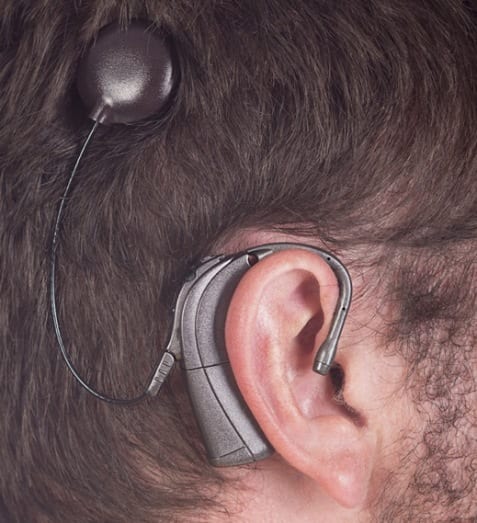
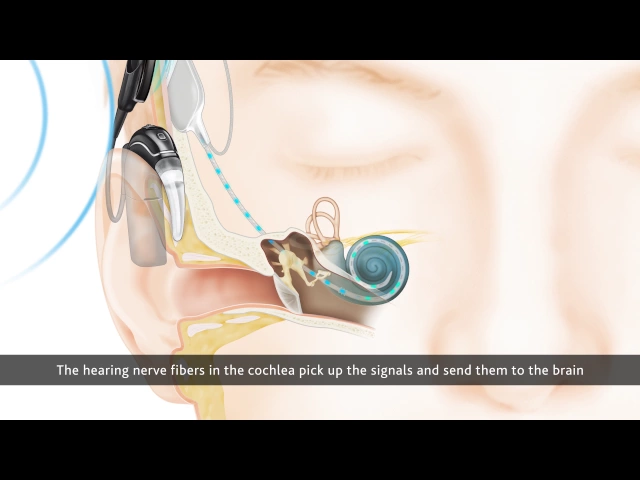
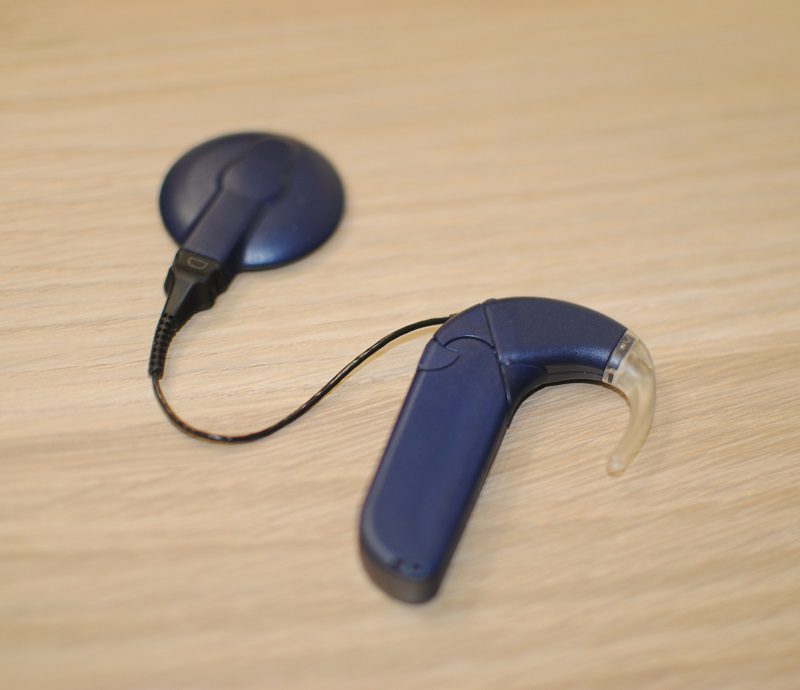
When your inner ear is damaged or has deteriorated, the electronic device designed to compensate for the damage done is called a cochlear implant, which transmits modified sound signals or impulses directly to the auditory nerve rather than sending amplified or processed sounds through the ear canal and regular auditory system.
An external processor receives and processes the sounds around you and then transmits them to an internal electrode, which is threaded into the cochlea using a surgical procedure. Though cochlear implants cannot cure your hearing loss, they help access sound that is not arriving via natural pathways, even when using amplification.
Cochlear hearing implants were first FDA approved in the 1970s in order to facilitate a higher level of hearing clarity for individuals with severe to profound hearing loss. Similar to other electronic devices, the advancements in digital technology have had a significant impact on the processing and performance capacities of cochlear implants, which far exceeds the capabilities of early instruments.
Used alongside hearing aids or to replace them, cochlear implants are able to provide an adequate solution to overcome individual hearing loss challenges.

As a member of the Cochlear Provider Network, Audiology & Hearing Aid Associates is able to provide you with access to the most advanced and effective solutions for your unique hearing needs, ensuring that you receive the optimal outcomes, delivering the highest level of expertise and consistency, and providing continuity of care through your unique journey.
More Answers To Your Questions About Cochlear Implants
What Is A Bi-modal Fitting?
When a patient wears a traditional hearing aid in one ear and uses a cochlear implant in the other, it is called a bimodal fitting. Communication between the two devices to maximize hearing potential is now possible thanks to advancements in digital technology and connectivity.
Who Is A Good Candidate For A Cochlear Implant?
What Risks Are Involved With Cochlear Implant Surgery?
Will I Need Additional Surgeries To Accommodate New Technology As It Becomes Available?
Can People With Cochlear Implants Swim, Shower, And Remain Active?
How Long After Being Implanted Are Cochlear Implants Activated?
Are Cochlear Implants Covered By Insurance?