
|
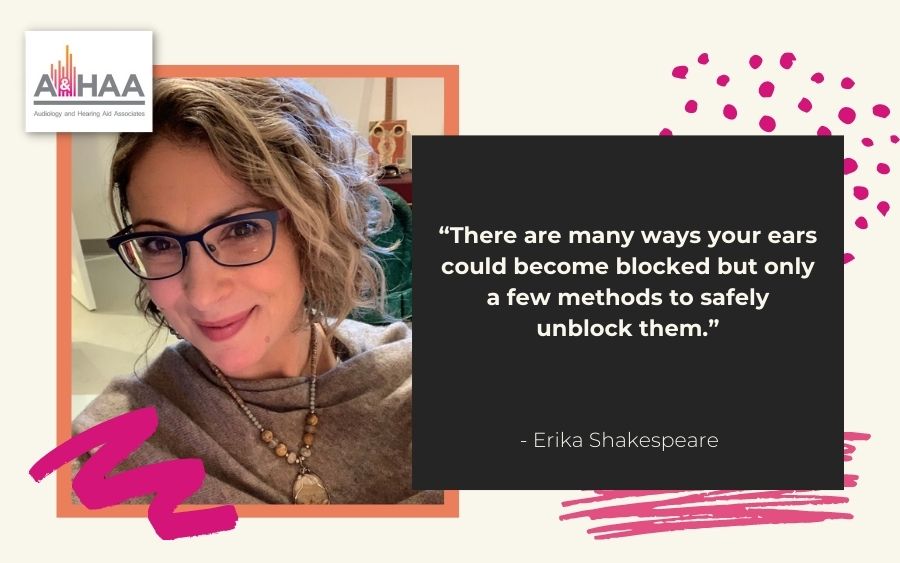
Erika Shakespeare
|
Earwax is a naturally occurring substance that our bodies use to trap foreign dirt and debris to prevent it from entering our ear canal. It protects against unwanted bacteria and fungi, which can lead to ear infections, from growing. This is why we should embrace it.
While it may not be the most appealing part of the human body, it’s still essential to our hearing and overall health.
However, having excess earwax can do more harm than good. Temporary hearing loss, a feeling of fullness in your ears, dizziness, headaches, or even balance issues can be caused by wax buildup.
Now with the internet in all our pockets, we have seen many different “methods” of removing earwax. Be warned, as not all methods are safe or beneficial to your ears.
Let’s Start with the Don’ts
Most people create impacted earwax more than they know. If you wear earbuds or hearing aids, they can prevent earwax from falling out naturally, and it'll start to build up.
Cotton Swabs
These suffer from an inherent design flaw right away; they have a dull or rounded edge. So, when you're putting a swab into your ear, you're effectively just pushing the wax further into your ear. You're not allowing that earwax to come out naturally.
You also have the potential to perforate your eardrum.
I heard a story about a colleague's patient who was cleaning out his ears with swabs. His wife entered the bathroom and opened the door; the door hit his elbow and bumped his arm, pushing the swab into his eardrum. He perforated his eardrum. He said that was the worst pain of his life.
The danger isn’t just blocking your ears; you can cause much more damage by perforating your eardrum and even causing a disarticulation in your middle ear bones.
What Are the “Dos” When You Have Blocked Ears?
If you don’t live near an audiologist, then you could try over-the-counter cleaning methods such as Debrox; this works well for many people. Or you can also use hydrogen peroxide, which is the cheaper option.
Both are very common and easy to find. Follow the instructions on the box. It's simple. You can do it at home, but if that doesn't seem to work, if you're still having trouble, then make an appointment with us right away. We can take a look in your ear to see what's going on and provide a cleaning for you as necessary.
DIY Methods
There are other “old-school” methods you can also try before visiting us.
Olive Oil
Another popular technique that has been passed down from one generation to another is applying olive oil to your impacted earwax.
This method is very safe, but its effectiveness is questionable. It may take days for the olive oil to loosen the wax enough for it to fall out, if at all.
Always use this in small quantities. The only drawbacks would be if you have any allergies to olives or if you have a ruptured eardrum.
Over-The-Counter Ear Drops
Over-the-counter ear drops are safe, but if you are experiencing some hearing loss, then your blockage is past the point of ear drops being able to help.
This method has helped a few people. It’s only effective with minor blockages but has proven successful for some.
The low price of ear drops can be attractive and may work for patients with minimal wax buildup, but seeking advice from an audiologist can professionally confirm your suspicions.
DIY Methods
There are other “old-school” methods you can also try before visiting us.
Olive Oil
Another popular technique that has been passed down from one generation to another is applying olive oil to your impacted earwax.
This method is very safe, but its effectiveness is questionable. It may take days for the olive oil to loosen the wax enough for it to fall out, if at all.
Always use this in small quantities. The only drawbacks would be if you have any allergies to olives or if you have a ruptured eardrum.
Over-The-Counter Ear Drops
Over-the-counter ear drops are safe, but if you are experiencing some hearing loss, then your blockage is past the point of ear drops being able to help.
This method has helped a few people. It’s only effective with minor blockages but has proven successful for some.
The low price of ear drops can be attractive and may work for patients with minimal wax buildup, but seeking advice from an audiologist can professionally confirm your suspicions.
Partnering with a Trusted Audiologist
There is only one guaranteed way to not only unblock your ears but to also do it in a safe manner that protects your ears and ensures you’ll be hearing at your best.
Even if your blockage is minor, by having us remove the earwax, we may be able to determine what caused it and how to prevent it from happening again.
The first step is to schedule an appointment so we can do a complete physical examination of your ear. If you have any questions before booking, please give us a call.
We are always standing by, ready to help in any way we can.